
Refinery Projects & Mass Transfer
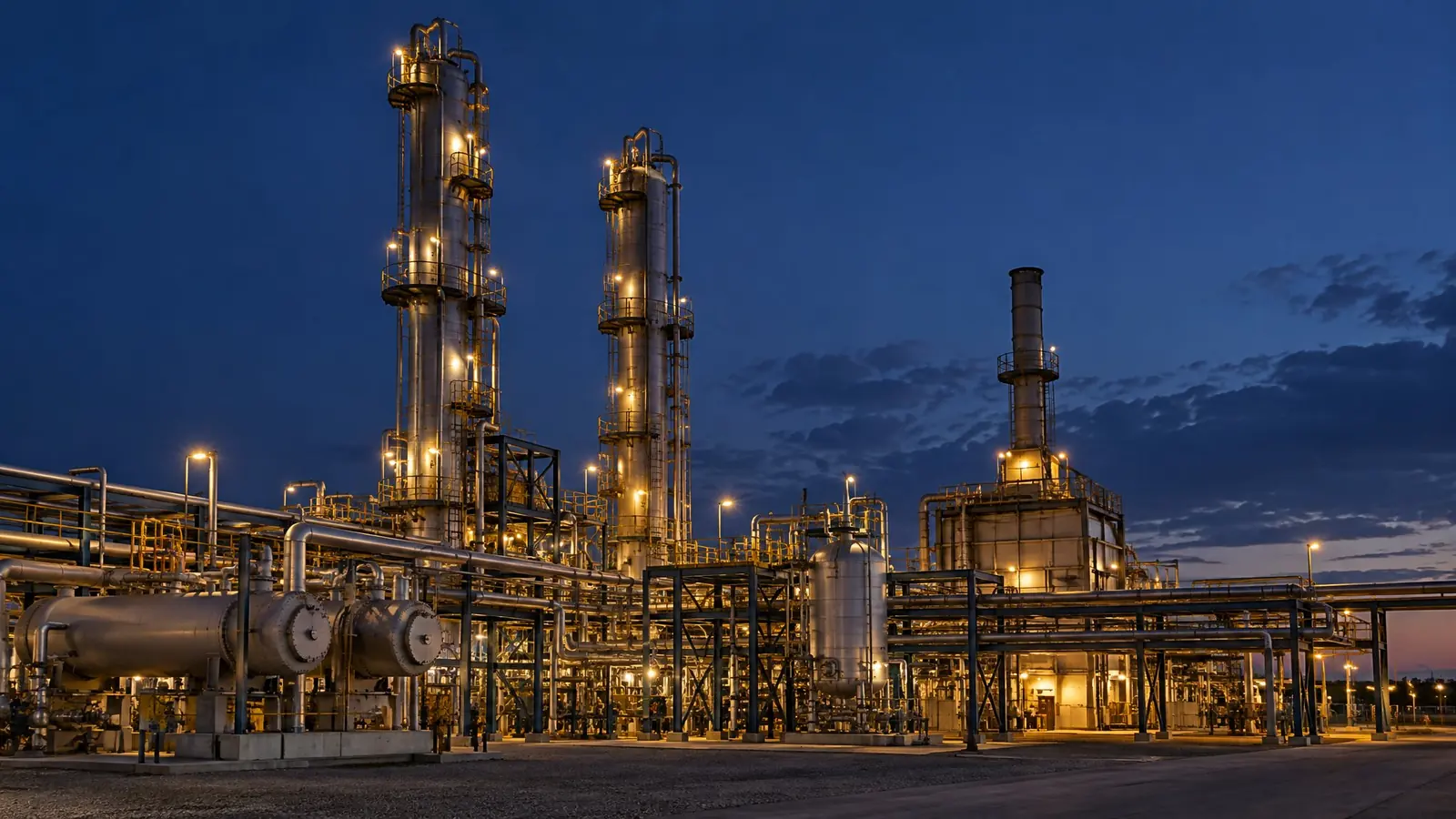
Compact refineries for light crude, gas condensate and mixed or contaminated hydrocarbons, built around distillation columns we design and fit with our own internals.
- Light crude oil refinery
- Light gas condensate refinery
- Mixed hydrocarbon refinery
- Solvent & aromatics recovery
- Glycol (MEG/DEG/TEG) separation
- Packings, trays & internals
Every proposal starts from your feed data. Figures on this page are typical process data; final plant performance is confirmed during design.
Turning hydrocarbon feeds into saleable cuts
Not every refinery needs to be a giant. Light crudes, gas condensates, off-spec fuels and recovered solvents can be processed profitably in compact plants close to where the feed is produced or collected. The core of each plant is the same: heat the feed, separate it by boiling range, then treat each cut to specification.
Crude oils differ mainly in density (API gravity), sulphur content and acidity. Lighter, sweeter feeds give more naphtha, kerosene and diesel and need less downstream treatment, which is why they suit smaller plants. We design around a full assay of your feed, not a generic crude.
Illustrative order of cuts from top to bottom of a column. Cut points are set per project.
| Project | Typical feed | Purpose |
|---|---|---|
| Light crude refinery | Light, low-sulphur crude | Naphtha, kerosene, diesel and fuel oil for local markets |
| Condensate refinery | Natural gas condensate | Stabilised naphtha, solvents and middle distillates |
| Mixed hydrocarbon refinery | Off-spec fuels, contaminated or blended hydrocarbons | Recover on-spec fuels and solvents from mixed streams |
| Solvent recovery | Spent solvents, white spirit, aromatics, kerosene | Distil back to reusable solvent grades |
| Glycol recovery | Used or wet glycols | Dehydrate and separate MEG, DEG and TEG for reuse |
Shop-assembled modules shorten site work and simplify later expansion.
Operating windows are designed to cope with varying feed quality.
Throughput and product slate are engineered to your feed and market.
Vapour up, liquid down, separation in between
When a liquid mixture boils, the vapour carries more of the lighter components than the liquid it came from. A distillation column repeats this effect many times over. Rising vapour and falling liquid meet on trays or across packing, exchange components at each contact, and the column gradually separates the feed into a light top product and a heavy bottom product.
Two choices decide most of a column’s cost and performance: the number of separation stages and the reflux ratio. More stages mean a taller column; more reflux means more energy. Good design finds the economic balance for your product purity.
One charge is processed at a time; ideal for varied feeds and small volumes.
Steady feed and draw-offs; best for larger, consistent throughputs.
Schematic of a continuous column with condenser, reflux drum and reboiler.
What is inside decides what comes out
A column shell is only a pressure container. Capacity, efficiency and pressure drop are set by the internals. We select and supply complete internals for new columns and for revamps that need more capacity or purity from an existing shell.
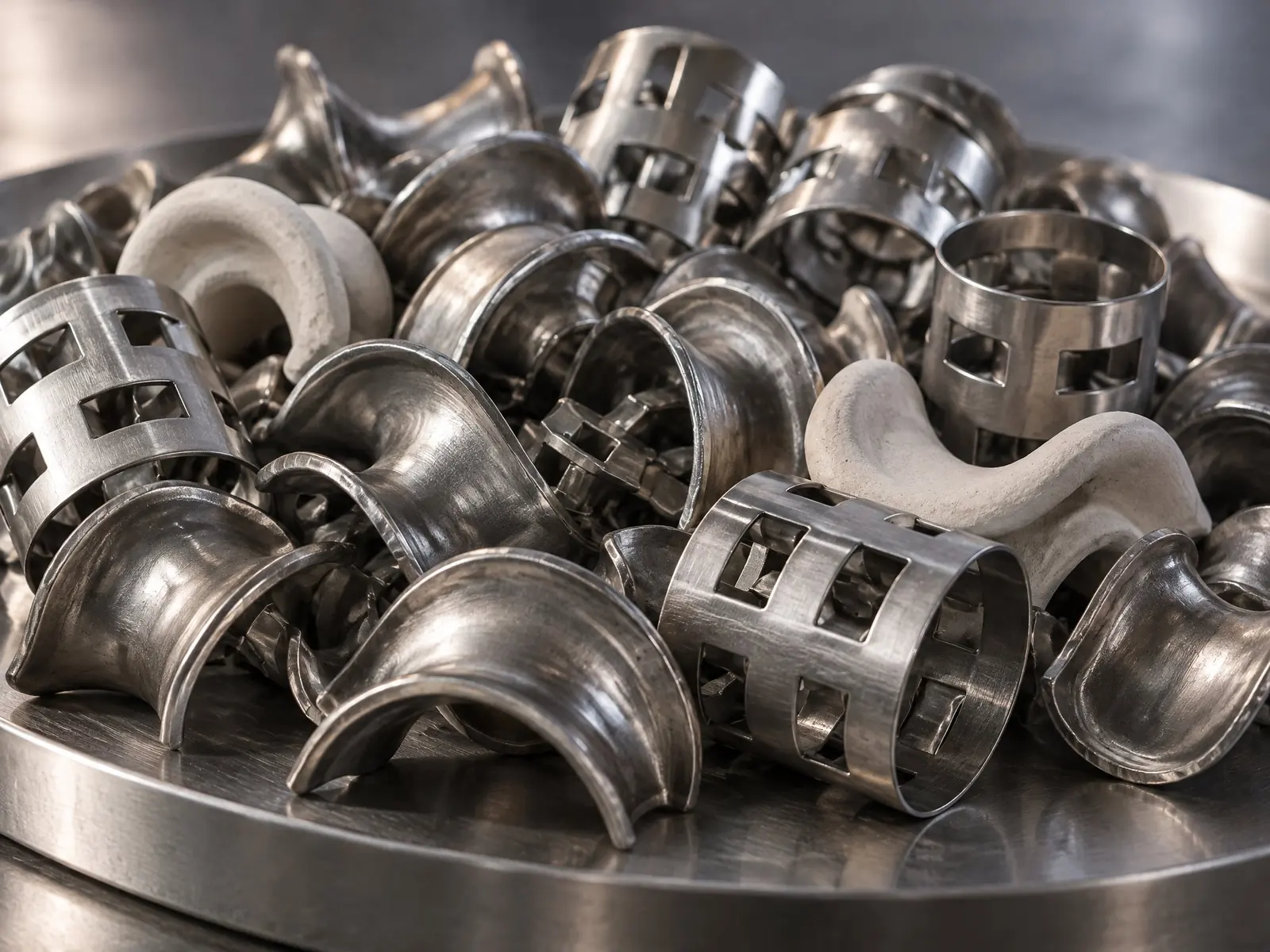
- Random packings in metal, plastic or ceramic: low cost, simple installation, good for corrosive and smaller columns.
- Structured packings in corrugated sheet or wire gauze: high efficiency and very low pressure drop, the first choice for vacuum service.
- Grid packings: rugged and open, for fouling, coking or solids-laden duties.
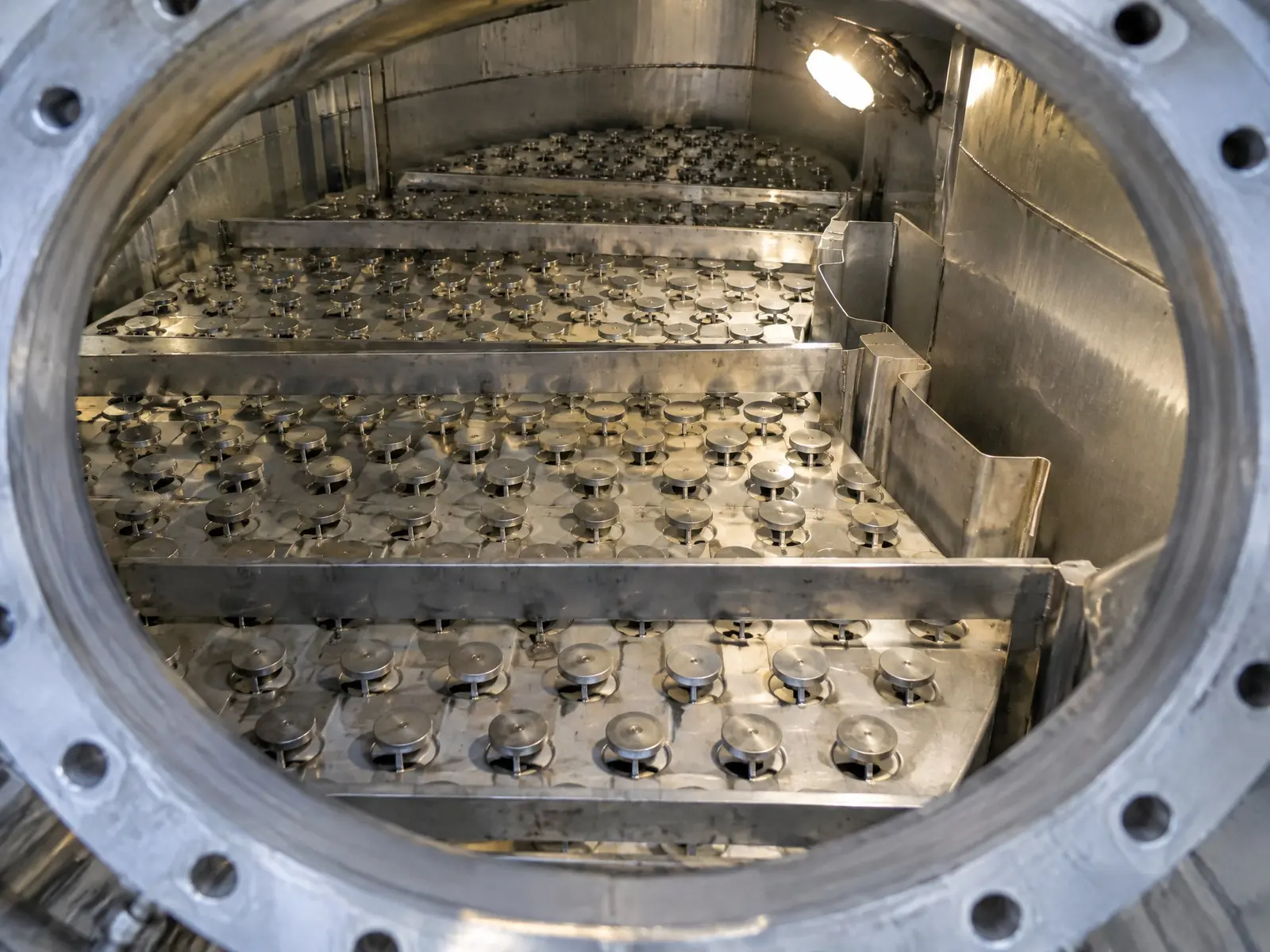
- Sieve trays: simple perforated decks, economical for steady loads.
- Valve trays: movable valves widen the operating range for varying loads.
- Bubble-cap trays: hold liquid at low rates; used where turndown is extreme.
| Consideration | Packings tend to suit | Trays tend to suit |
|---|---|---|
| Operating pressure | Vacuum and low-pressure service | Moderate to high pressure |
| Column diameter | Small to medium diameters | Medium to large diameters |
| Fouling or solids | Grid packing only | Generally more tolerant |
| Heat-sensitive products | Preferred, thanks to low pressure drop | Less suited |
Liquid distributors and redistributors keep packed beds evenly wetted.
Support plates, hold-down grids and bed limiters keep packing in place.
Mesh-pad demisters, collectors and chimney trays for draws and entrainment control.
Designed as a system, built as one
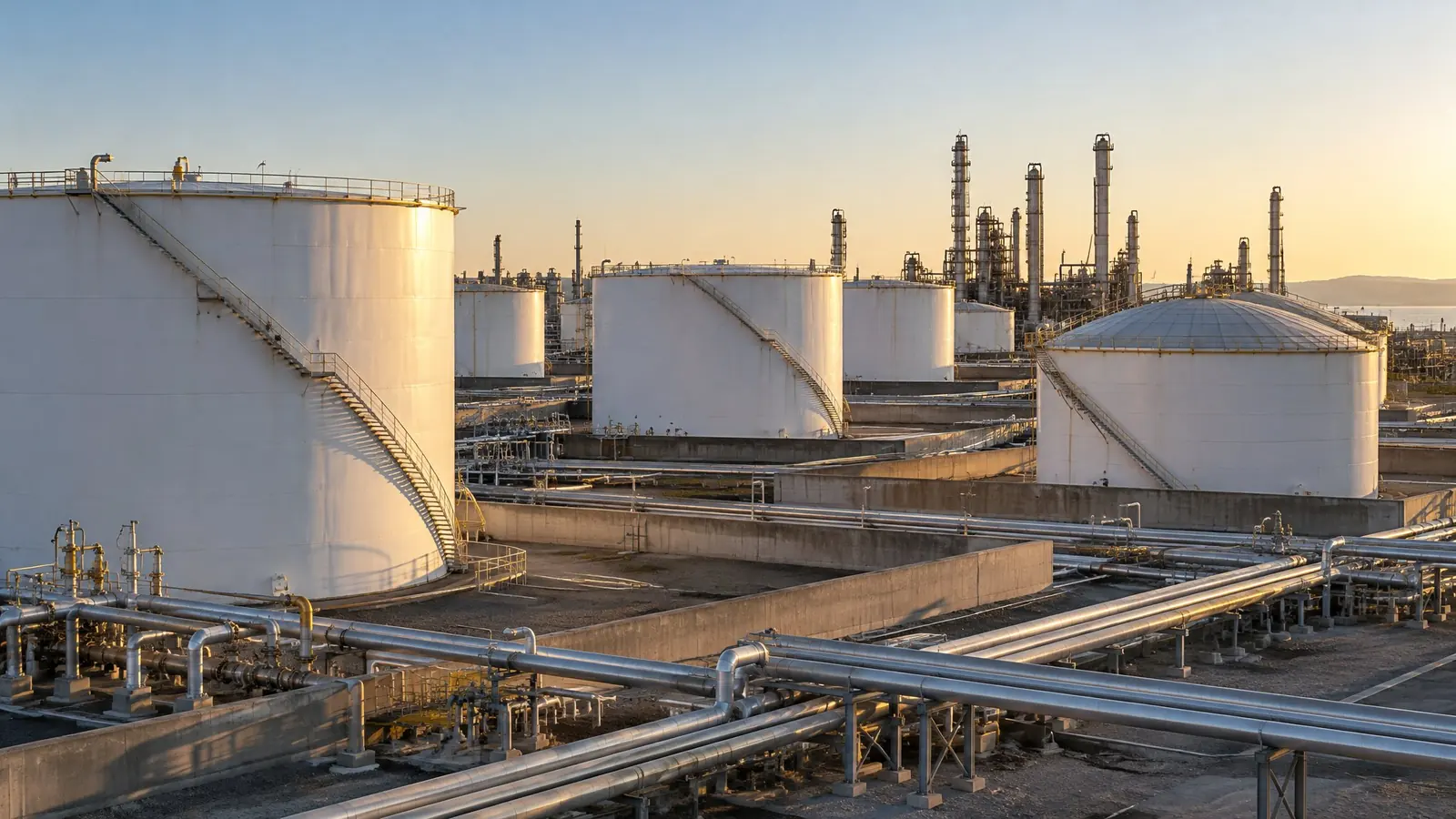
Our process engineers take a refinery or column project from first idea to construction drawings, and support revamps of existing units.
- Feed assay review & feasibility
- Process simulation, heat & mass balance
- PFDs, P&IDs and equipment sizing
- Column hydraulics & internals selection
- Detailed mechanical design
Columns, pressure vessels, reactors, heat exchangers and storage tanks are fabricated by our group company Shree Shakti Engg Works at its two manufacturing units in Gujarat, including U-stamp pressure vessels.
- Carbon steel
- Stainless steels
- Alloy steels on request
- Design to recognised codes
- Stage-wise QC
- Third-party inspection on request
Have a feed to evaluate for refinery & mass transfer?
Send us your feed details, target products and capacity. We will reply with a technical route and the scope of supply.